Leadership Coach
Lifelong Learner
Hopeful Artist
How can we cultivate the wisdom needed to help shape positive futures? For ourselves, for future generations, for humanity itself?
This question guides my current portfolio of activities, personal and professional. Living into this question is a deeply personal drive, and it also deeply informs my work as a leadership coach. This question is also at the core of my evolving art practice.
Leadership Coaching
My leadership coaching is focused on helping senior leaders become more FutureWise; cultivating the greater wisdom needed to make sense of the complexity of an ever-shifting present, to imagine future possibilities with a balance of realism and hope, and to act with courage in ways that could help shape a positive future.
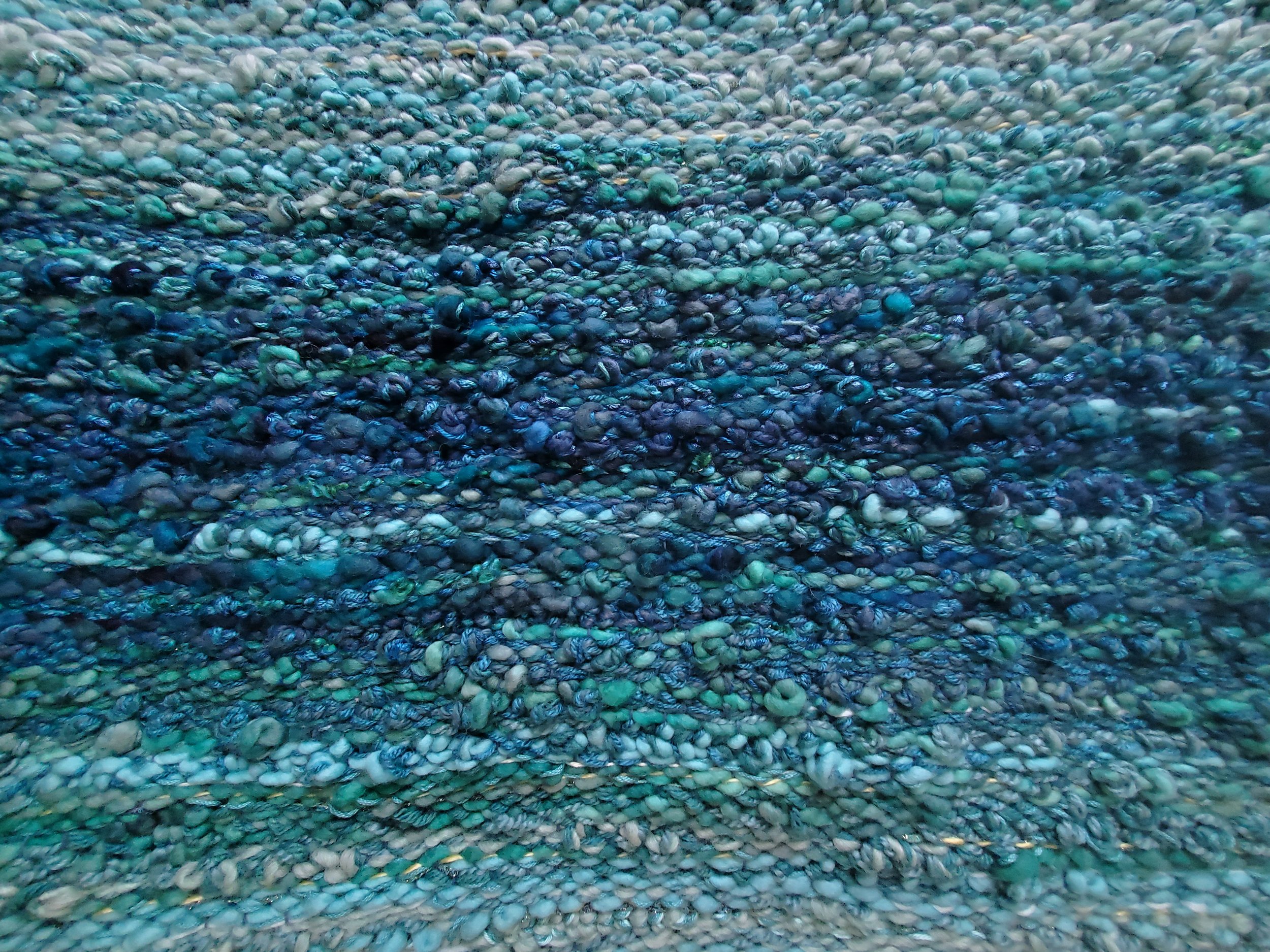
“Art is the highest form of hope.”
- Gerhard Richter
Hope is a key ingredient in this quest for wisdom – the ability to see the possibility of light in the darkness, and not to fall into despair or inaction. Wise hope is not soft, fuzzy, or passive. Wise hope is what Thomas Homer-Dixon calls “commanding hope”, a hope that links us to our imagined positive futures and fuels our agency to work towards making that future real.
Hope then is the thread that holds it all together. As a leadership coach working with senior leaders who are challenged to lead in ways that contribute to the shaping of a positive future. As a human being living on our wondrous planet. As a mother and grandmother who feels a deep sense of stewardship for children everywhere. And as an artist who creates with yarn and paint.
The multiple interconnected challenges we are facing on our fragile and wondrous blue planet require the urgent cultivation of wisdom. Responding to these challenges means confronting a high degree of complexity and flux and competing demands that are at play when making choices and taking action. This all requires more than technical knowledge and expertise. It requires wisdom.